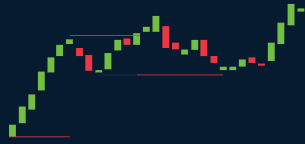
Bearish Pattern - Top Reversal
A bearish reversal pattern that signals the end of an uptrend and the start of a downtrend.
Pattern Overview
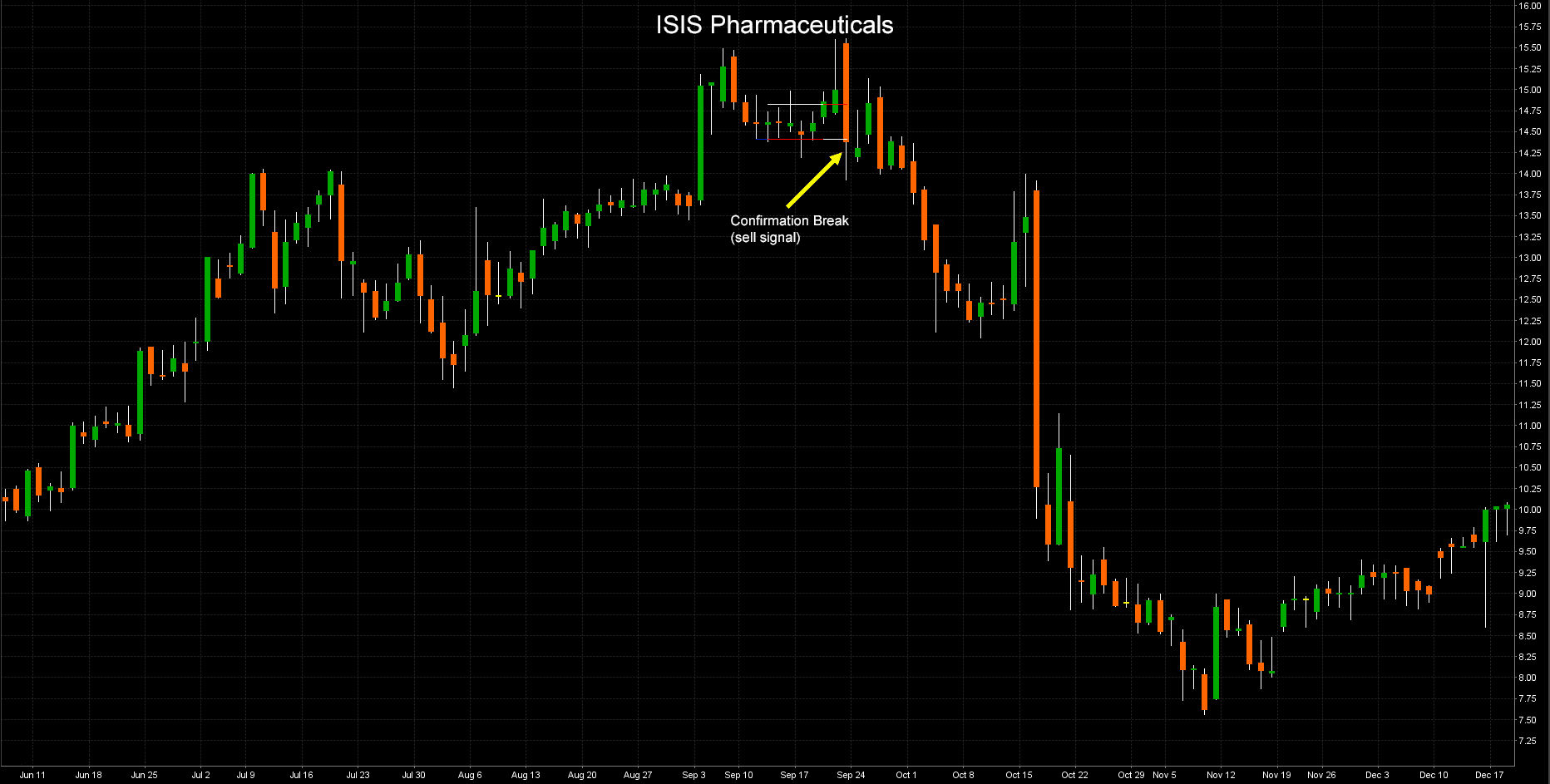
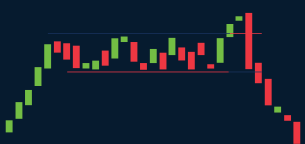
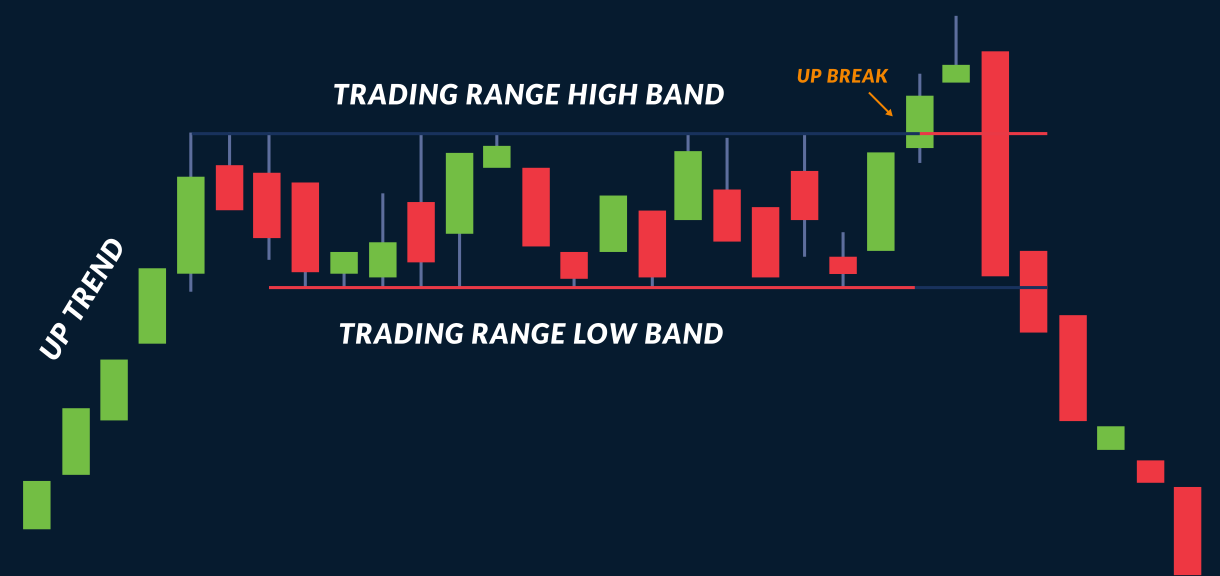
It is a YC bearish trend reversal pattern that forms at market tops after an uptrend and a consolidation range.
Initial Uptrend: The market exhibits a clear upward trend before the reversal setup.
Trading Range: A pause forms a trading range.
False Breakout: The market appears to continue the uptrend with a break above the range (up break).
Reversal: Immediately after the breakout, the market reverses sharply, closing below the trading range lower boundary.
Formation
Wait for at least two valid bounces and a clean structure before planning entry.
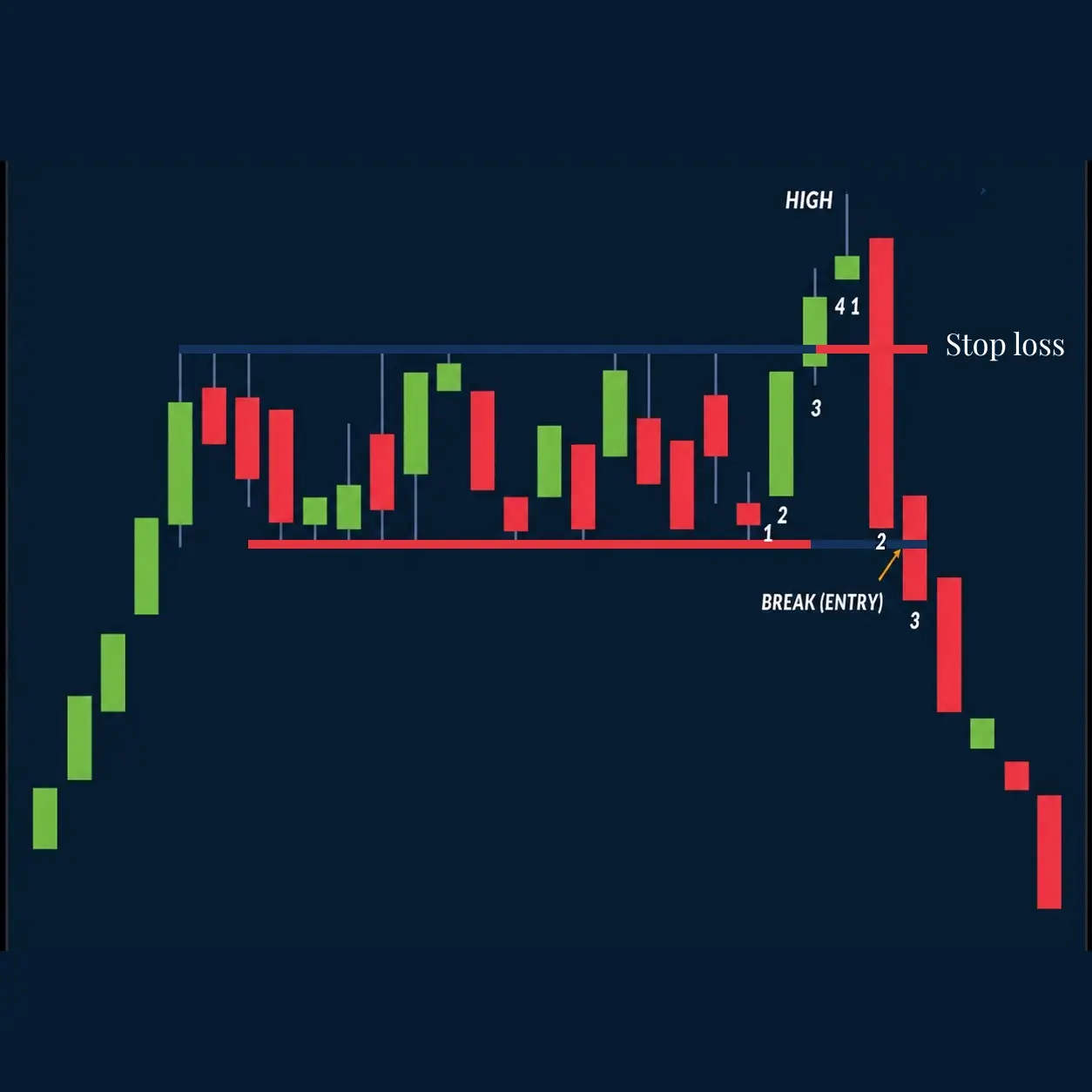
Entry Point: Bearish trade entry is when the price closes below the lower limit of the trading range.
Velocity: The rise to the new high should be slower or equal to the speed of the decline back below the range. (See candles count in the pic)
Signal Confirmation
A bearish setup is confirmed after breakdown below the lower boundary of the trading range.
A stop loss should be set above the upper boundary of the trading range or above the recent high.
Pattern failure is indicated if the price rises above the upper band of the range or the recent high.
Historical Performance
Historical cases show meaningful downside when confirmation and risk management are respected.
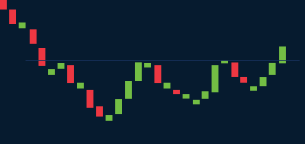
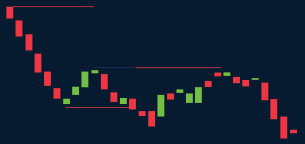
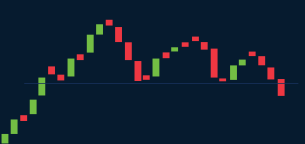
Some Examples